
Home / Articles / The cash cycle
The cash cycleHow to Get Paid Faster: A Practical Accounts Receivable Playbook

An unpaid invoice is money you have already earned but cannot spend. For many small businesses, especially those that sell to other businesses, receivables are the single largest current asset, which also makes them the fastest place to free up working capital without borrowing a cent.
None of what follows is complicated. The businesses that get paid quickly are rarely using clever tricks; they are simply consistent.
Start before the invoice exists
Most late payments are baked in before the work is even done. A few habits prevent them:
- Agree terms in writing. State the payment period, accepted methods, and any late-payment terms in the quote, proposal or contract, not just on the invoice.
- Check new customers. For larger B2B accounts, ask for trade references or check a business credit report before extending terms. Start new accounts with a lower credit limit and raise it as they pay on time.
- Take deposits on custom or long jobs. A deposit on order and staged billing at milestones means you are never funding months of work out of your own pocket.
- Find out who approves payment. Larger customers often need a purchase order number on the invoice. An invoice without one can sit in an inbox for weeks.
Invoicing habits that shorten the wait
The payment clock usually starts when the customer receives the invoice, not when you finish the job. Every day you wait to send it is a day added to your cash conversion cycle.
- Send the invoice the same day goods ship or work is signed off.
- Show the due date as a date ("Due 24 October"), not only as "Net 30".
- Include everything the customer's accounts team needs: PO number, contact name, clear description, your bank details.
- Offer at least one fast electronic method: bank transfer, ACH, card or a payment link.
- Consider shorter standard terms. Net 14 is common for small suppliers and many customers simply pay to whatever term is printed.
- Use your accounting software's automatic reminders, and check they actually go out.
Read your aging report every week
An accounts receivable aging report sorts unpaid invoices by how long they have been outstanding. Every accounting package can produce one. Here is an illustrative report for a small print studio:
| Customer | Current | 1–30 days late | 31–60 | 61–90 | 90+ |
|---|---|---|---|---|---|
| Riverside Dental | $2,400 | – | – | – | – |
| Harbour Events | $1,800 | $1,200 | – | – | – |
| Oak Street Gym | – | – | $950 | $600 | – |
| Northgate Festival | – | – | – | – | $3,100 |
| Total $10,050 | $4,200 | $1,200 | $950 | $600 | $3,100 |
Three things jump out. Over a quarter of the balance is more than 90 days late and belongs to one customer; that single account needs a direct conversation, not another automated email. Oak Street Gym has invoices sliding into older buckets, a pattern that often precedes a customer in difficulty. And less than half of the total is actually current. If this studio were counting all $10,050 as working capital, it would be overstating its real position.
A follow-up schedule that stays friendly
Consistency matters more than tone. Customers learn which suppliers chase and which do not, and they pay the chasers first.
Adjust the timing to your industry and the relationship. A long-standing customer who is late once deserves a phone call, not a formal notice. Keep notes of every contact; they help if a dispute ever arises.
Discounts, late fees and financing: use with care
Early-payment discounts (such as 2% if paid within 10 days) can speed up collections, but they are expensive. As our supplier terms guide shows, giving up 2% to be paid 20 days sooner is equivalent to an annualised rate of roughly 37%. Only offer one if cash is worth that much to you.
Late fees or interest can encourage prompt payment, but only if they are agreed in advance and are permitted where you operate. Rules on late-payment interest and fees differ between countries and states, so check with an adviser before adding them to your terms.
Invoice financing and factoring turn unpaid invoices into cash now, for a fee. They can bridge a gap, but they do not fix slow-paying customers, and their costs can be higher than they first appear. See the true cost of short-term financing before signing anything.
Frequently asked questions
What is a normal DSO?
It depends on your terms and industry. A useful rule is to compare DSO with your standard terms: if you offer 30 days and DSO is 45, customers are paying about two weeks late on average. That gap is what you can work on.
Should I stop working for a customer who pays late?
Pausing new work until an account is up to date is a common and reasonable step, provided your contract allows it. Whether to end the relationship depends on how profitable the customer is once you factor in the cost of waiting for their money.
When should I write off an invoice?
When collection is genuinely unlikely, for example after the customer has closed or a collection attempt has failed. Talk to your accountant about the tax treatment of bad debts in your jurisdiction.
Related articles
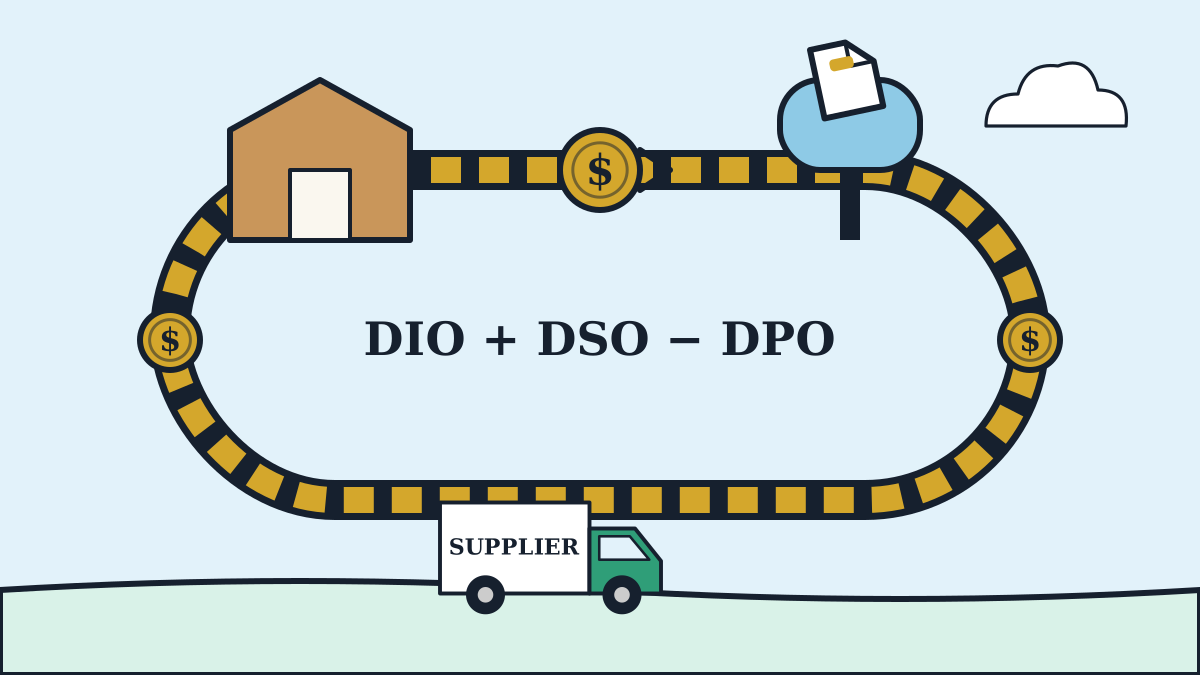
The Cash Conversion Cycle: How Many Days Your Money Is Stuck
DIO + DSO − DPO: a worked example, a mini calculator, and what shaving ten days is worth.
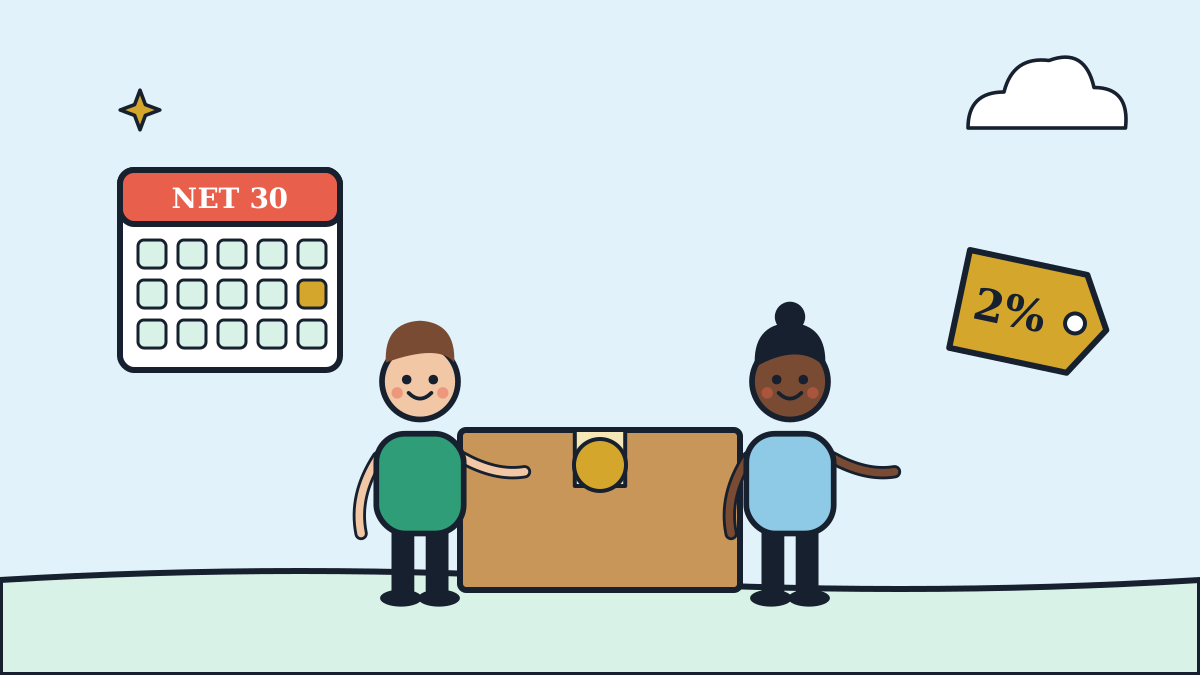
Supplier Payment Terms Decoded: Net 30, 2/10 Net 30 and When to Pay Early
Net 30, 2/10 net 30 and EOM decoded, plus the math on whether an early-pay discount is worth it.
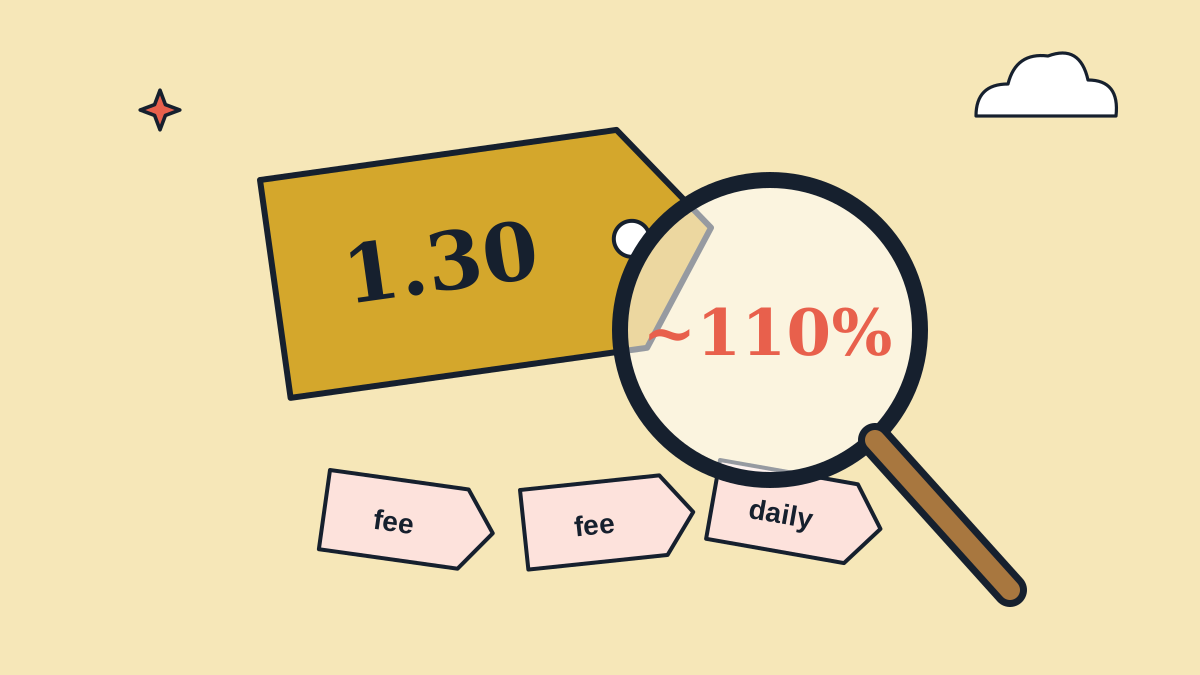
Factor Rates, Fees and APR: Working Out the True Cost of Short-Term Financing
Why a 1.3 factor rate is not 30%, with three worked examples you can copy.