
What is working capital, really?
It is the money that keeps your doors open between paying suppliers and getting paid by customers. We explain how it works, how to measure it, and what to do when it runs thin, in plain English with worked examples.
Working capital = Current assets − Current liabilities

Why this site exists
Search for "working capital" and almost every result is written by someone who wants to lend it to you. The explanation tends to stop exactly where the sales pitch starts. We wanted the opposite: a calm, independent place that explains how money actually moves through a small business, so owners can make their own decisions and ask better questions of lenders, accountants and suppliers.
Everything here is educational. We use round, made-up numbers in our examples so the arithmetic is easy to follow, and we show our working. We do not rank lenders, take applications or sell financial products, and nothing on this site is personal financial advice.
Measure it
The formula, the current and quick ratios, and what a "good" number looks like for businesses like yours.
Speed up the cycle
Receivables, inventory and supplier terms: the three levers that decide how long your cash is stuck.
Plan ahead
Seasonal dips, fast growth and a 13-week forecast that shows problems weeks before they arrive.
Compare funding
Lines of credit, factoring and cash advances explained, with the maths to compare what they really cost.
Working capital & current ratio calculator
Runs in your browserCopy a few lines from your latest balance sheet. The example numbers belong to Maple & Twine, the imaginary homewares shop from our working capital explainer. Nothing you type is sent anywhere.
Rules of thumb are only a starting point: cafés and subscription businesses often run below 1.0 safely, while a very high ratio can mean idle cash or slow stock. Read current ratio vs quick ratio for context. Educational only, not financial advice.
Start with these guides
All 13 articles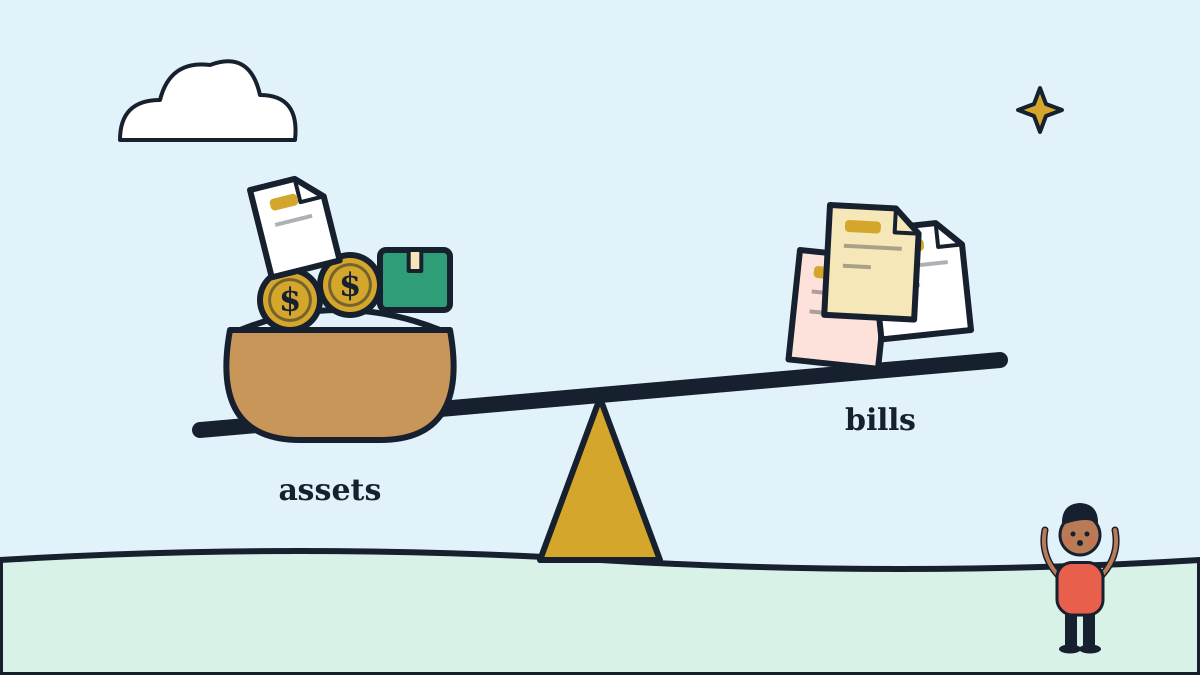
What Is Working Capital? The Formula, Explained With a Real-Looking Example
The formula, what counts on each side, and a worked example from a small homewares shop.
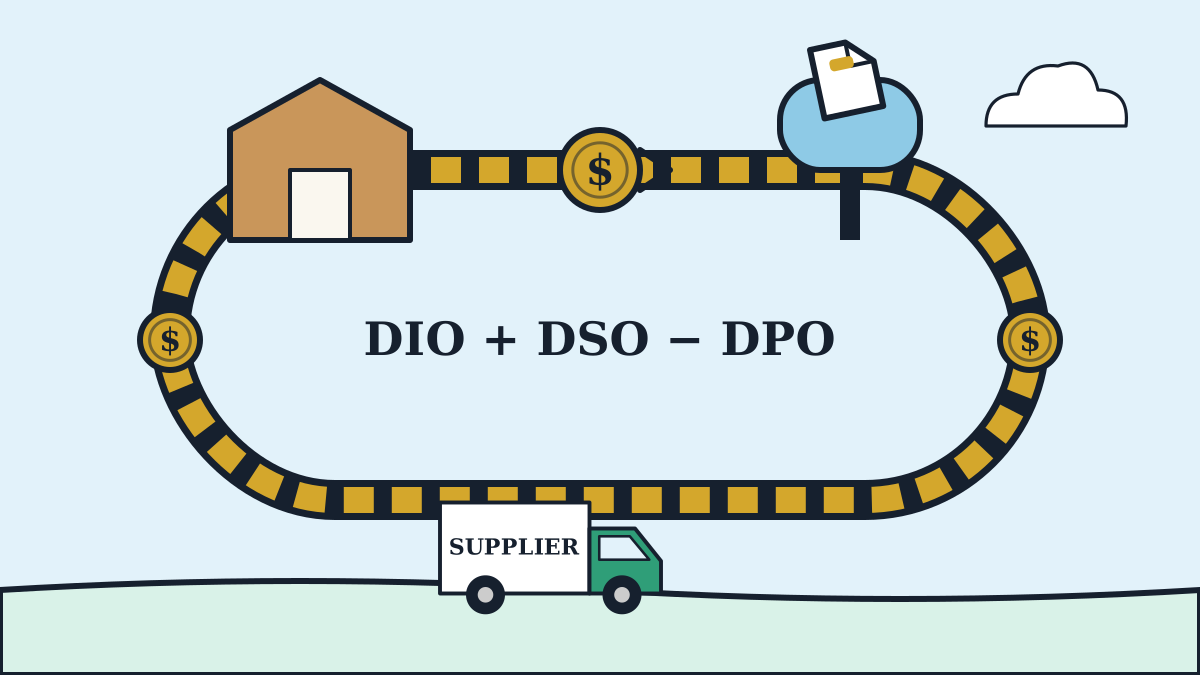
The Cash Conversion Cycle: How Many Days Your Money Is Stuck
DIO + DSO − DPO: a worked example, a mini calculator, and what shaving ten days is worth.

Why Growth Eats Cash: Profitable, Growing and Still Running Out of Money
How a profitable, growing business can run short of cash, and how to see it coming.
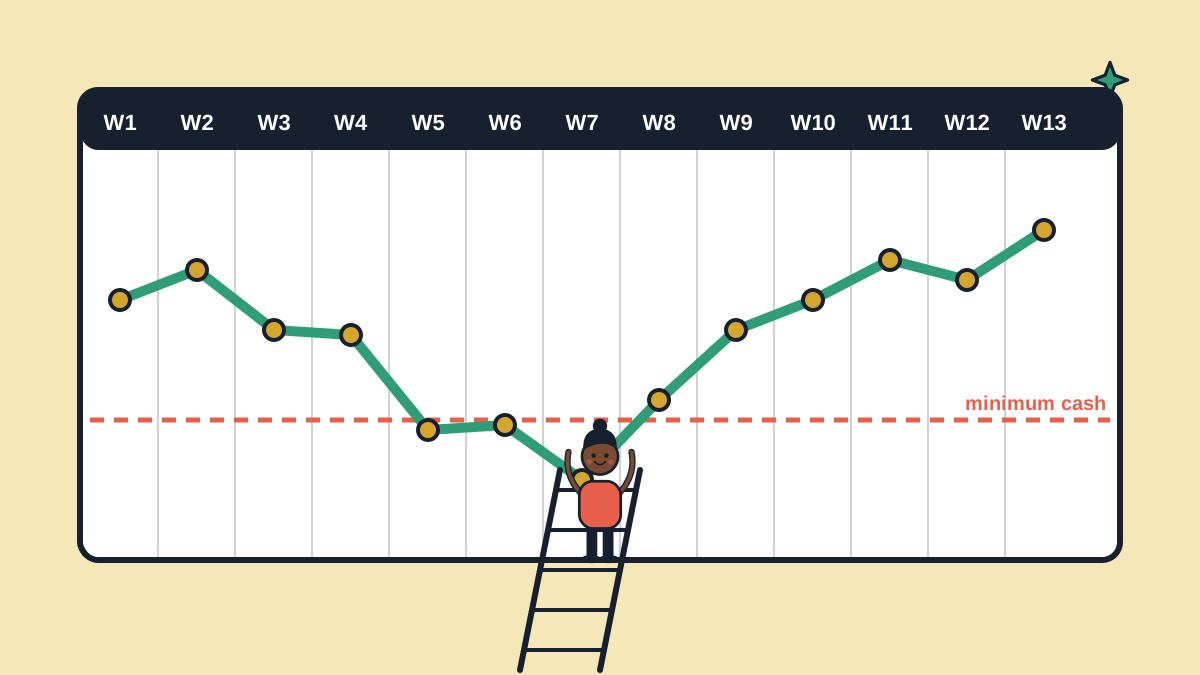
How to Build a 13-Week Cash Flow Forecast (Step by Step)
A week-by-week spreadsheet method, a worked example, and a 30-minute weekly routine.
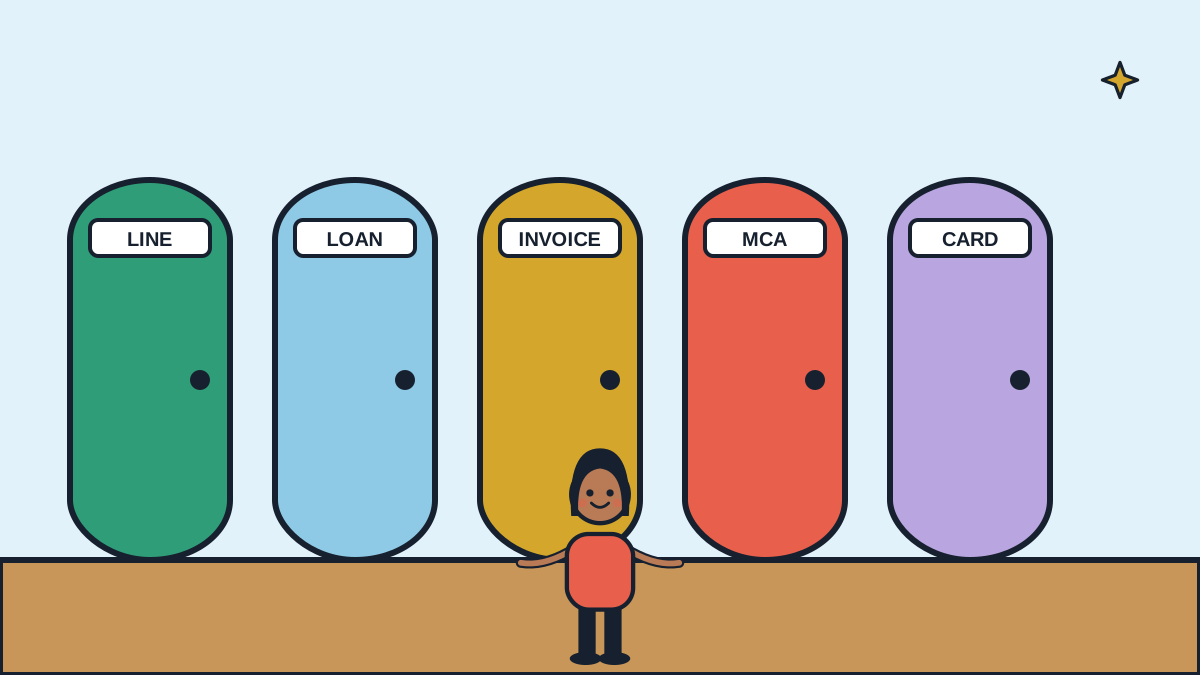
Working Capital Financing Options Compared: Lines of Credit, Factoring, MCAs and More
How each option works, what it suits, and the catches to check before you sign.
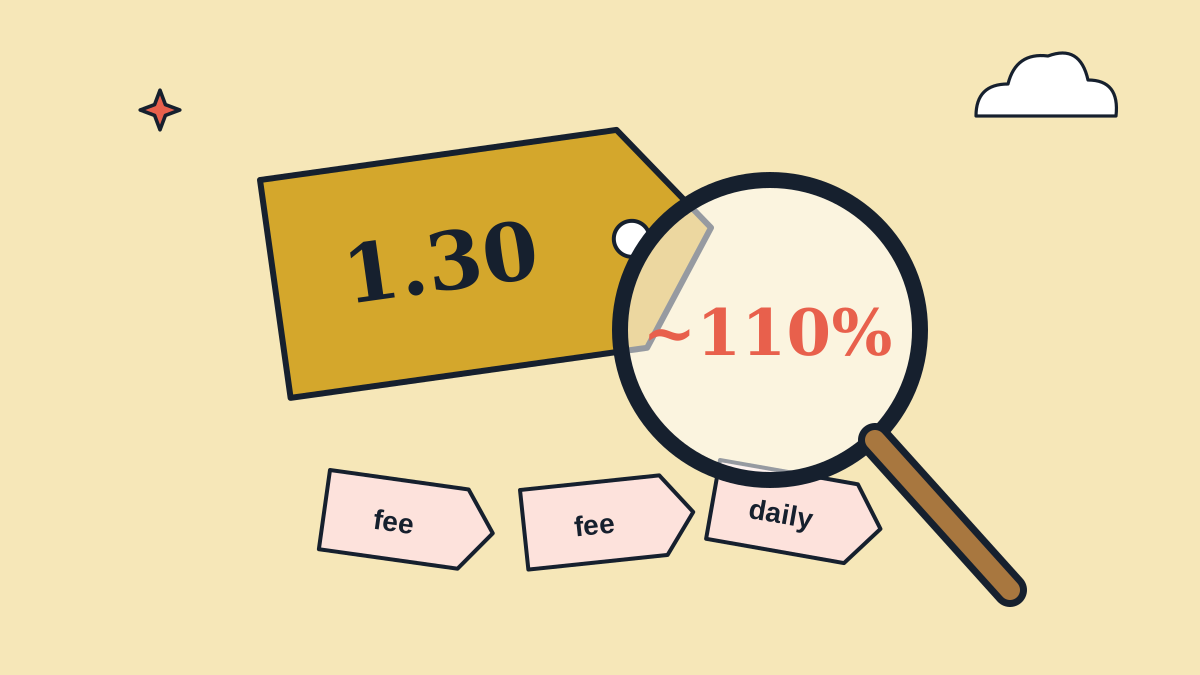
Factor Rates, Fees and APR: Working Out the True Cost of Short-Term Financing
Why a 1.3 factor rate is not 30%, with three worked examples you can copy.
Five terms in thirty seconds
| Term | Plain-English meaning |
|---|---|
| Current assets | Things that will turn into cash within about a year: cash, customer invoices, stock, prepaid bills. |
| Current liabilities | Bills you must pay within about a year: suppliers, card balances, taxes, loan repayments due soon. |
| Current ratio | Current assets divided by current liabilities. How many dollars of short-term resources per dollar owed. |
| Cash conversion cycle | Days between paying for stock and collecting from the customer who bought it. |
| Trade credit | The time suppliers give you to pay. Usually the cheapest financing a business has. |
Want the long version? Begin with what working capital is, then read about the cash conversion cycle. If a lender has just sent you an offer, jump to working out its true cost.