
All articles
13 plain-English guides to how money moves through a small business. New to the topic? Start with what working capital is, then work through the cash cycle. Every guide uses illustrative round numbers and shows the arithmetic, so you can swap in your own.
The guides are grouped into four themes. Basics covers the formula and the ratios lenders look at. The cash cycle covers receivables, inventory and supplier terms, the day-to-day levers that decide how long your money is tied up. Planning covers seasonal swings, forecasting, growth and selling a business. Financing compares the ways businesses fund gaps and how to work out what each one really costs.
Basics
3 articles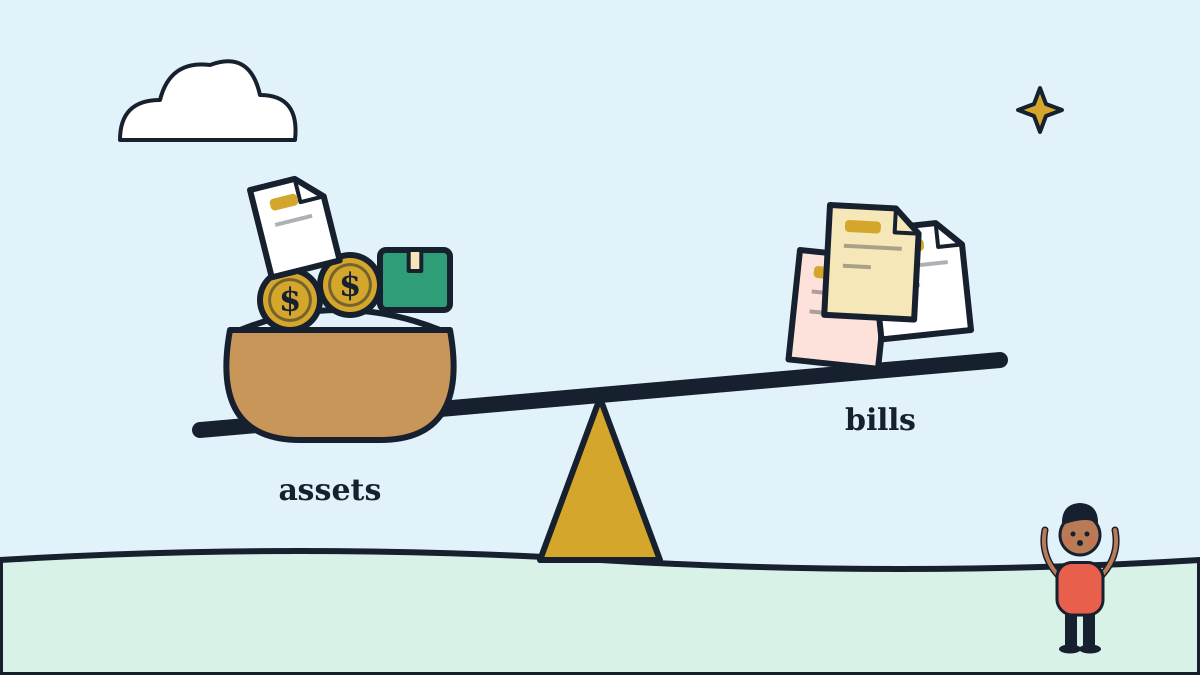
What Is Working Capital? The Formula, Explained With a Real-Looking Example
The formula, what counts on each side, and a worked example from a small homewares shop.
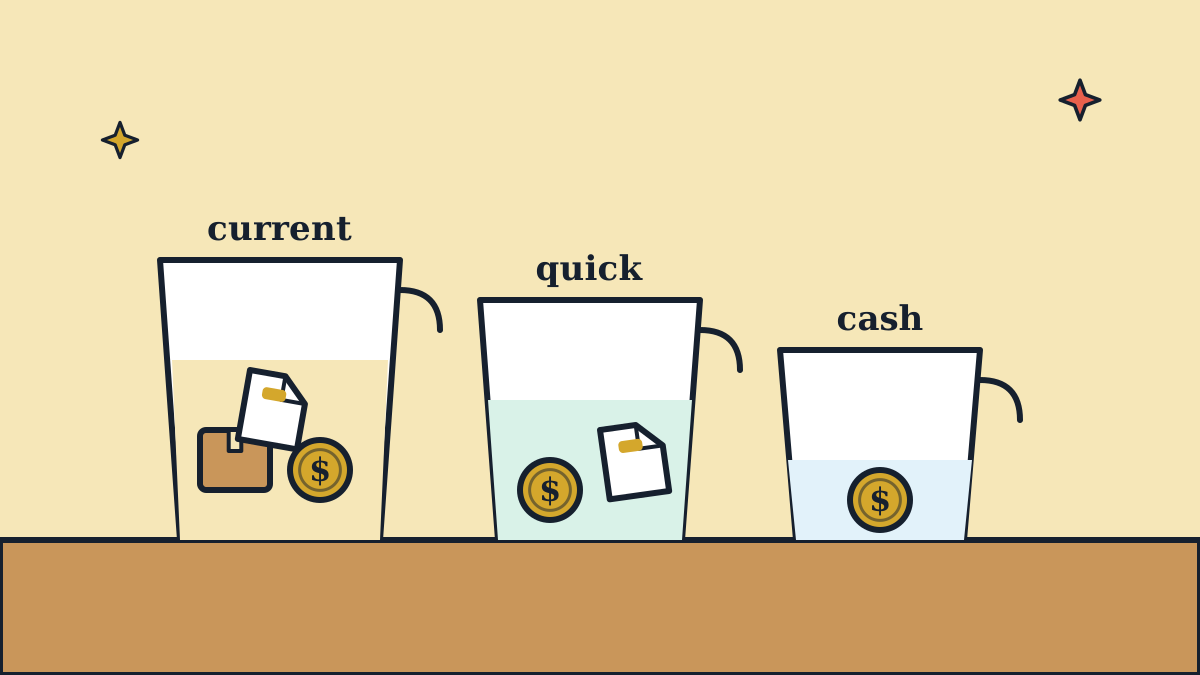
Current Ratio vs Quick Ratio: Which Liquidity Test Matters for a Small Business?
Three liquidity ratios, what each one tests, and why a 2:1 rule of thumb needs context.

Negative Working Capital: Clever Business Model or Warning Sign?
Why some cafés and subscription businesses run negative on purpose, and the signs that it is trouble.
The cash cycle
4 articles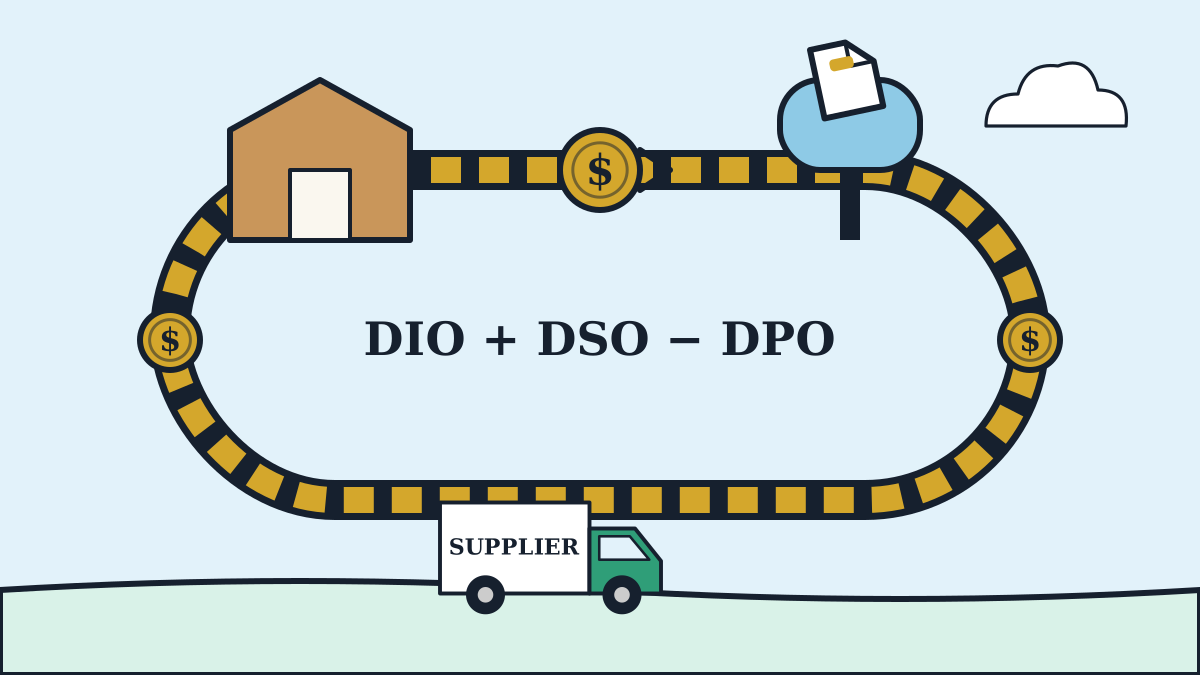
The Cash Conversion Cycle: How Many Days Your Money Is Stuck
DIO + DSO − DPO: a worked example, a mini calculator, and what shaving ten days is worth.

How to Get Paid Faster: A Practical Accounts Receivable Playbook
Invoicing habits, an aging report walkthrough, and a follow-up schedule that stays friendly.

The Inventory Cash Trap: How Stock Quietly Eats Working Capital
Turnover, carrying costs, reorder points and ABC analysis, explained with shelf-level examples.

Supplier Payment Terms Decoded: Net 30, 2/10 Net 30 and When to Pay Early
Net 30, 2/10 net 30 and EOM decoded, plus the math on whether an early-pay discount is worth it.
Financing
2 articles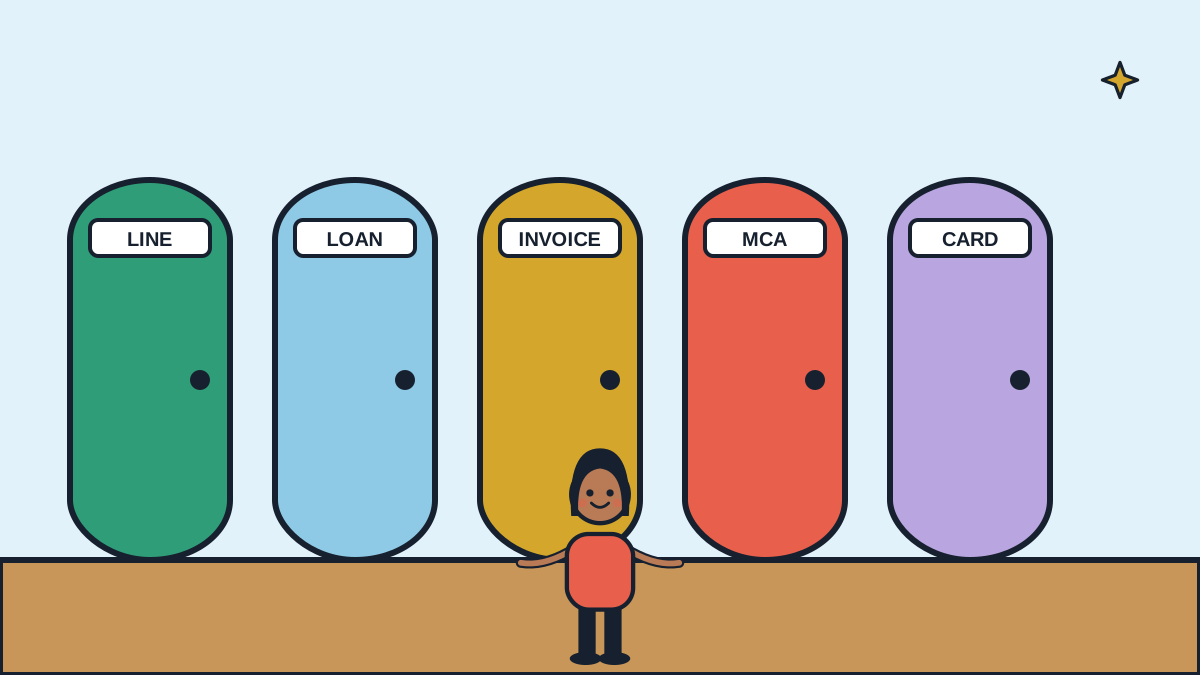
Working Capital Financing Options Compared: Lines of Credit, Factoring, MCAs and More
How each option works, what it suits, and the catches to check before you sign.
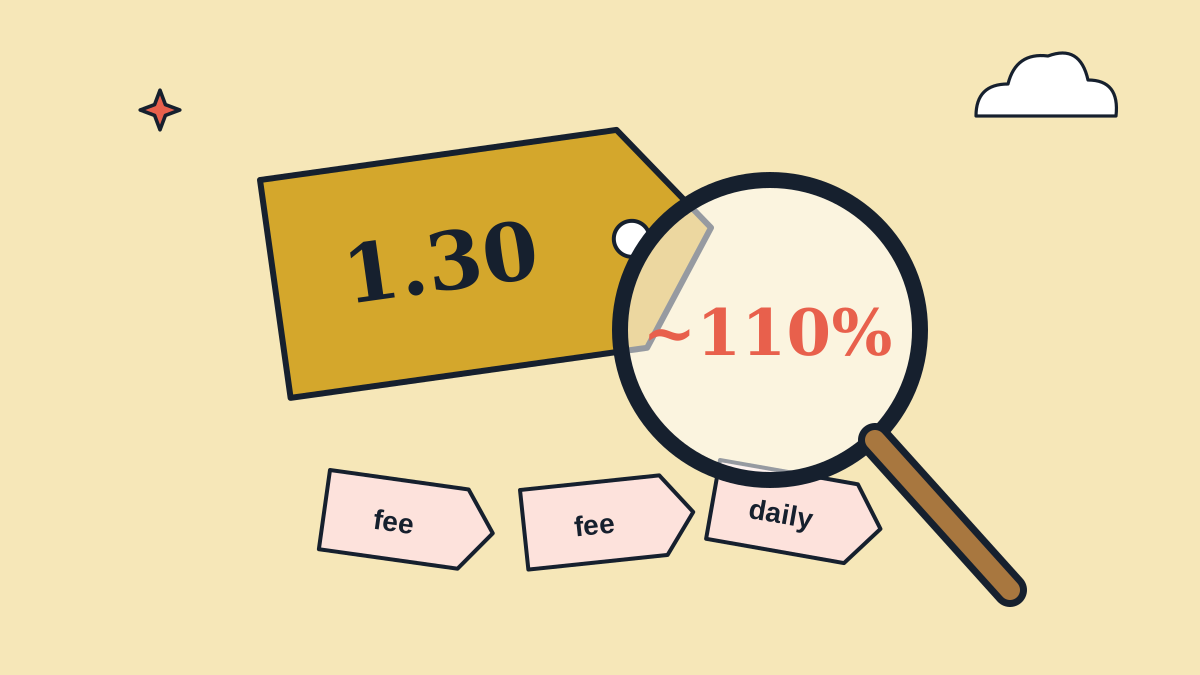
Factor Rates, Fees and APR: Working Out the True Cost of Short-Term Financing
Why a 1.3 factor rate is not 30%, with three worked examples you can copy.
Planning
4 articles
Seasonal Cash Flow: How to Survive the Slow Months and Fund the Busy Ones
A month-by-month example that finds the cash trough, plus ways to fund the stock build.
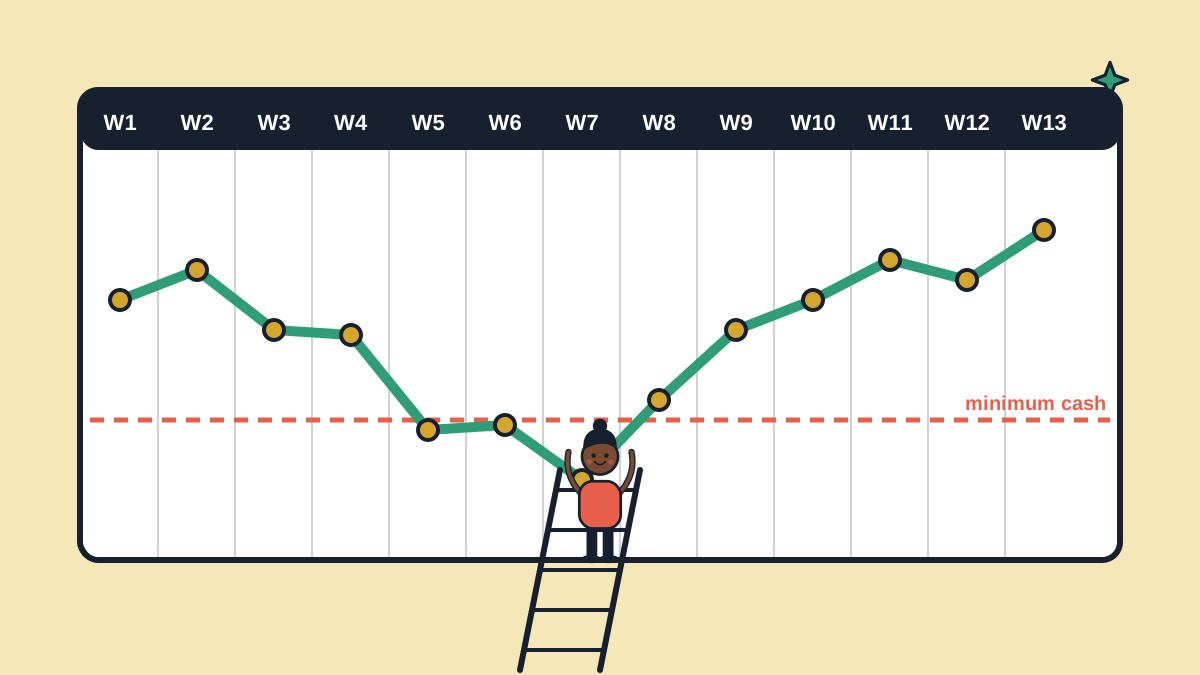
How to Build a 13-Week Cash Flow Forecast (Step by Step)
A week-by-week spreadsheet method, a worked example, and a 30-minute weekly routine.

Why Growth Eats Cash: Profitable, Growing and Still Running Out of Money
How a profitable, growing business can run short of cash, and how to see it coming.

The Working Capital Peg: What Happens to Working Capital When You Sell a Business
How the peg is set, how the post-closing true-up works, and where disputes usually start.