
Working Capital Financing Options Compared: Lines of Credit, Factoring, MCAs and More
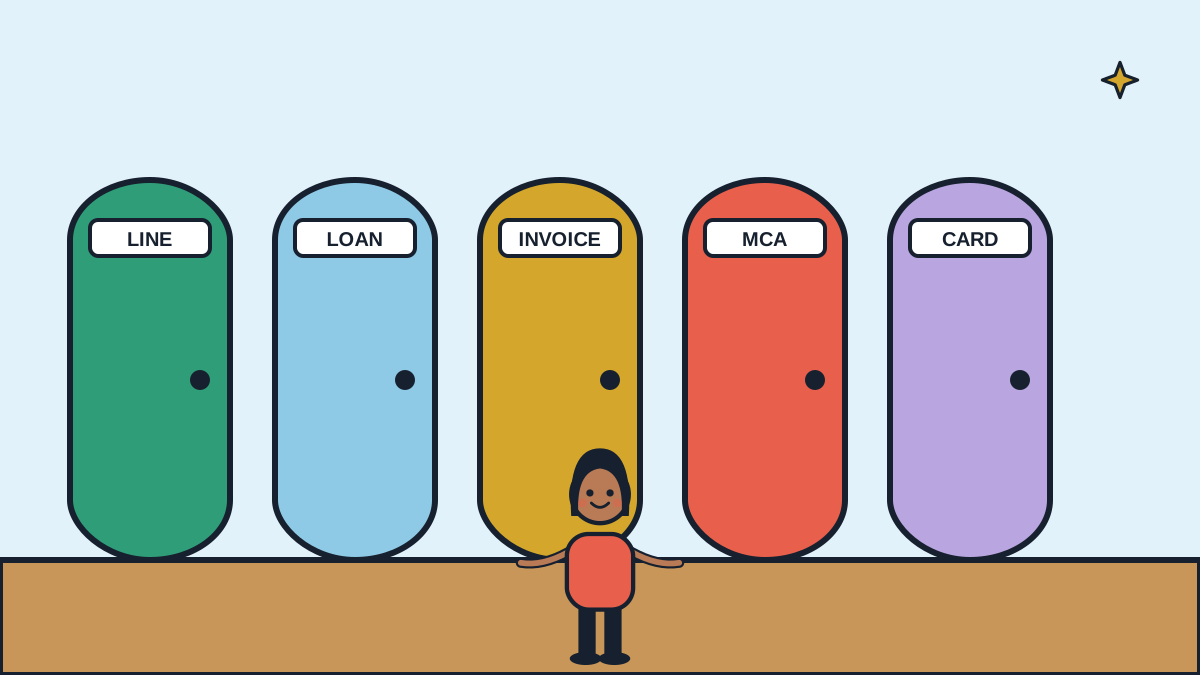
When a business needs cash to cover the gap between paying out and getting paid, there is no shortage of offers. Search for "working capital" and nearly every result is a lender's page. This guide is the opposite: a plain comparison of the main options, what each one is actually designed for, and the questions worth asking before you commit.
Product names, rules and availability differ by country and lender. The descriptions here are general and use common US terminology; treat them as a map, not a recommendation.
Start with the matching principle
The single most useful idea in business financing is to match the funding to the need. Short-term, self-repaying needs, such as buying stock that will sell in eight weeks, suit short-term, flexible funding. Long-lasting needs, such as equipment or a permanently higher level of working capital after growth, suit longer-term funding. Mismatches cause trouble: using a short-term product to buy a machine means repaying it long before the machine has earned its keep.
So before comparing products, write down: what exactly the money is for, how and when it will come back (which customer payments or sales will repay it), and whether the need is one-off, seasonal or permanent. Our guides to seasonal cash flow and growth help with that.
Free or nearly free sources first
Before any lender, check the sources that cost little or nothing:
- Your own cycle. Collecting receivables faster, trimming slow stock and paying suppliers on (not before) the due date can release more cash than a small loan would provide. See the cash conversion cycle.
- Trade credit. Longer supplier terms are usually interest-free.
- Customer deposits on custom or large orders.
- Retained profit or owner equity, which carries no repayment schedule, though it does carry opportunity cost.
The main financing options side by side
| Option | How it works | Often suits | Watch out for |
|---|---|---|---|
| Business line of credit | A revolving limit; draw what you need, pay interest on the drawn balance, repay and redraw. | Seasonal gaps, uneven receipts, a standing safety net. | Annual renewal and fees, possible clean-up periods, covenants, personal guarantees. |
| Short-term loan | A lump sum repaid in instalments, often over months to a few years. | A defined one-off need such as a large stock purchase. | Origination fees, prepayment terms, frequent (weekly or daily) repayments with some online lenders. |
| Government-backed loans (e.g. SBA programs in the US) | Bank loans partly guaranteed by a government agency; some programs are designed for working capital. | Established businesses that want longer terms and can handle paperwork and time. | Longer application process, collateral and guarantee requirements. |
| Invoice financing | Borrow against unpaid invoices; you still collect from customers and repay the lender. | B2B firms with creditworthy customers on long terms. | Fees on the advance, minimum volumes, how long you are tied in. |
| Invoice factoring | Sell invoices to a factor, which advances a portion now and collects from your customer. | Fast-growing B2B firms that lack a long credit history. | Your customers deal with the factor; recourse terms if they do not pay; fees quoted per period. |
| Inventory or asset-based lending | A facility secured on stock and receivables, with the limit tied to their value. | Larger product businesses with sizeable, well-tracked stock. | Borrowing base reports, audits, lower advance rates on stock. |
| Business credit card | Revolving credit, often with an interest-free grace period if paid in full. | Small, short purchases repaid within the month. | High interest rates if a balance is carried; low limits. |
| Merchant cash advance (MCA) | A lump sum in exchange for a share of future card sales or fixed daily debits, priced with a factor rate. | Rarely the first choice; sometimes used when other options are unavailable. | Very high effective cost, daily repayments, often not regulated as a loan, "stacking" multiple advances. |
Security, guarantees and the fine print
Much small-business credit comes with strings that are easy to miss:
- Personal guarantees. Many lenders ask owners to guarantee business debt personally, which puts personal assets at risk if the business cannot pay.
- Liens. In the US, lenders commonly file a UCC lien, sometimes a "blanket" lien over all business assets, which can make it harder to borrow from anyone else.
- Covenants. Promises such as keeping a minimum current ratio or providing quarterly accounts.
- Automatic debits. Daily or weekly repayments taken straight from the account reduce flexibility in slow weeks.
- Renewal and exit. What happens at the end of the term, how much notice is needed to leave, and whether there are early-repayment charges.
Questions to ask any lender
- What is the total amount I will repay, in dollars, including every fee?
- What is the annual percentage rate (APR) or equivalent annualised cost?
- How often are repayments taken, and can they flex with my sales?
- What security, liens or personal guarantees are required?
- Are there penalties or no savings for repaying early?
- What happens if I miss a payment?
- Is this product regulated as a loan where I operate?
If a provider cannot or will not answer the first two questions clearly, that is a signal in itself. Our guide to the true cost of short-term financing shows how to convert factor rates and fees into comparable numbers.
Frequently asked questions
What is the cheapest way to fund working capital?
Usually the options that are not loans at all: faster collections, leaner stock and supplier terms. Among borrowing options, bank lines of credit and government-backed loans are often cheaper than online short-term products, but they are harder and slower to obtain.
When is the best time to apply?
When you do not urgently need the money. Lenders look at recent results and cash balances, so applying after a strong season or quarter usually gives you better terms and more choice.
Is factoring a sign my business is struggling?
Not necessarily. Some fast-growing and well-run B2B firms use it because their customers pay slowly. It is a tool; the question is whether its cost is justified by what the cash lets you do.
Related articles
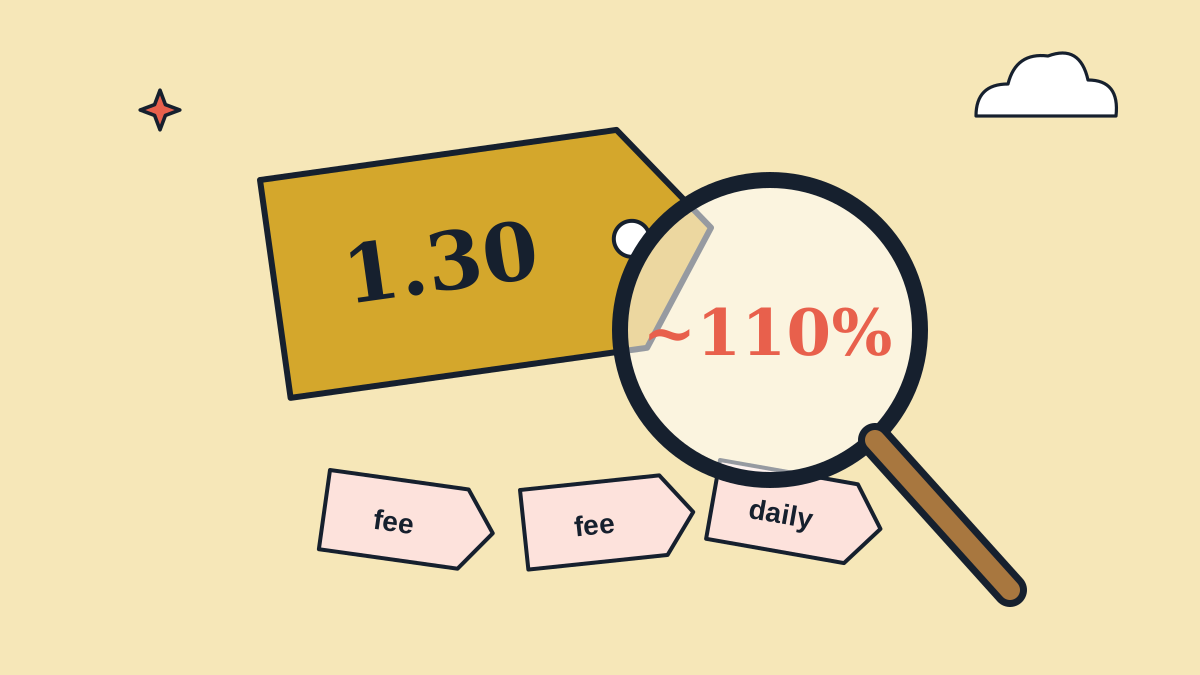
Factor Rates, Fees and APR: Working Out the True Cost of Short-Term Financing
Why a 1.3 factor rate is not 30%, with three worked examples you can copy.

Seasonal Cash Flow: How to Survive the Slow Months and Fund the Busy Ones
A month-by-month example that finds the cash trough, plus ways to fund the stock build.

Supplier Payment Terms Decoded: Net 30, 2/10 Net 30 and When to Pay Early
Net 30, 2/10 net 30 and EOM decoded, plus the math on whether an early-pay discount is worth it.